Understanding Gluten
Knowledge. Kindness.
Plain facts about gluten, coeliac disease and living gluten free.
What is gluten?
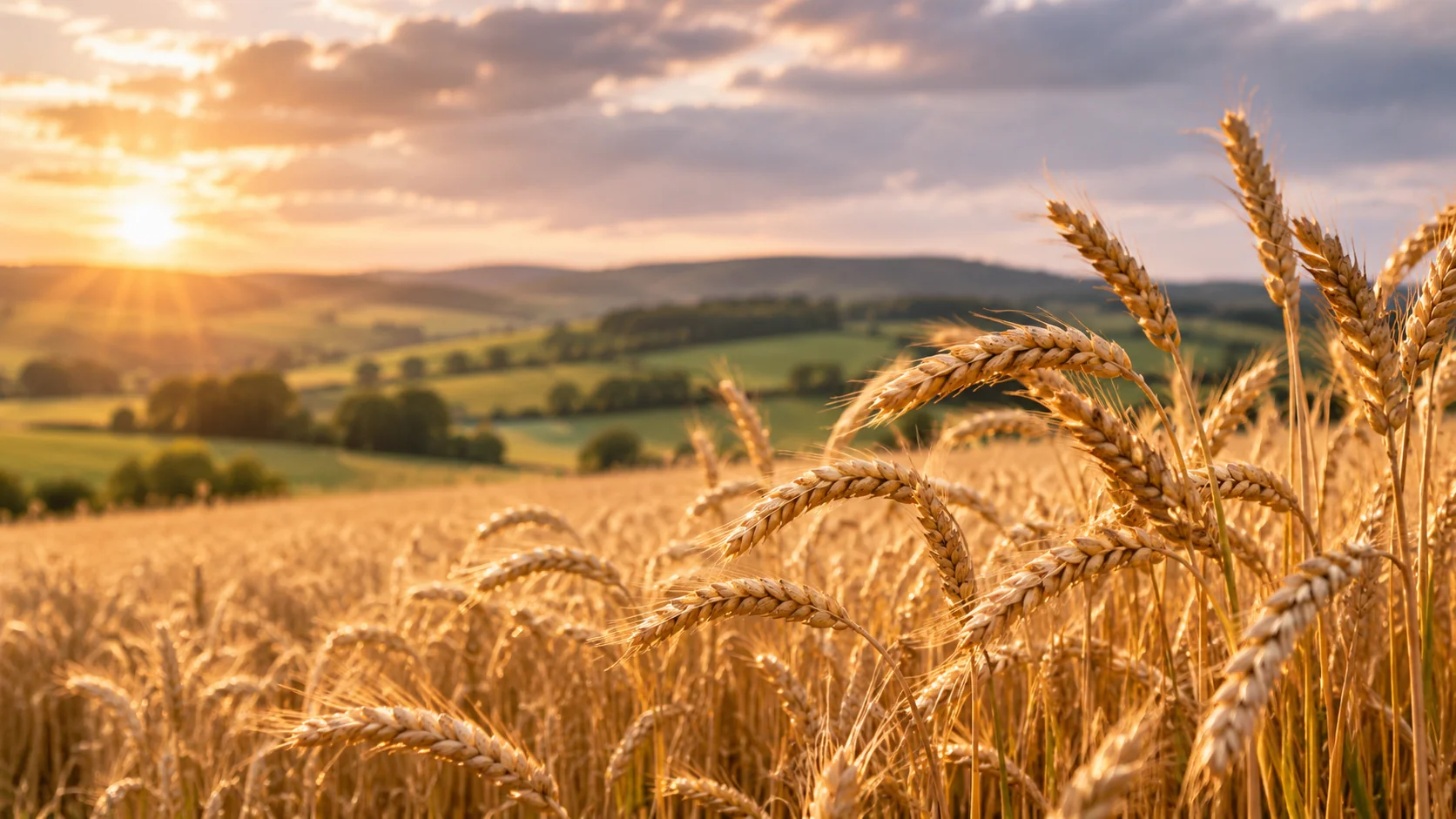
Gluten is a protein found in wheat, barley and rye. It’s what makes dough stretch and helps bread rise – which is why it turns up in so many everyday foods.
Source: NHS
“Awareness leads to change, and change leads to healthier, happier lives.”
Coeliac disease
Coeliac disease is an autoimmune condition. When someone with coeliac disease eats gluten, their immune system attacks the lining of their gut. It isn’t an allergy or an intolerance, and the only treatment is a strict gluten-free diet for life.
Around 1 in 100 people in the UK have coeliac disease – and many don’t know yet. Even tiny amounts of gluten can cause harm, which is why our kitchen is fully gluten free.
Sources: NHS · Coeliac UK
Around1 in 100people in the UK
Signs to look out for
Coeliac disease affects people in different ways. Common symptoms can include:
Bloating and wind
Stomach aches
Diarrhoea
Constipation
Indigestion
Tiredness
Weight loss
Itchy rash
Tingling or numbness
Balance problems
Feeling generally unwell
Problems getting pregnant
Think you might have coeliac disease?
Speak to your GP before cutting out gluten. The tests only work while gluten is still in your diet. Read the NHS advice
Three simple habits
Living gluten free
Read every label
Look for “gluten free”. Wheat, barley and rye hide in sauces, stock and snacks.
Watch for crumbs
Shared toasters, butter and boards are the usual culprits at home.
Find bakes you can trust
A fully gluten-free kitchen means one less thing to check.
This page is general information, not medical advice. For help and support, visit NHS or Coeliac UK.